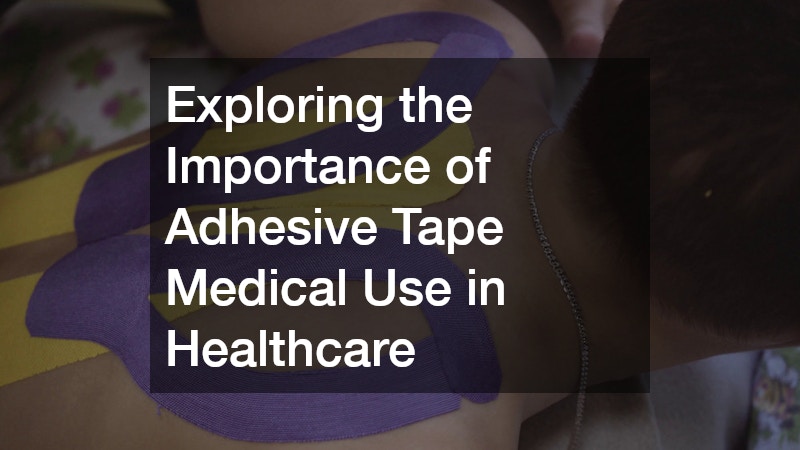
Healthcare environments rely on a wide range of simple yet essential tools that support patient treatment, recovery, and daily clinical operations. Among these tools, adhesive products play a critical role in securing dressings, stabilizing medical devices, and supporting wound care procedures. Although often overlooked, the quality and reliability of these materials can significantly impact patient comfort and treatment outcomes. In modern healthcare settings, the demand for safe, skin-friendly, and effective solutions continues to grow as providers focus on improving patient experience and reducing complications. One commonly referenced category in this space is adhesive tape medical use, which highlights the importance of properly designed materials that meet clinical standards while remaining gentle on the skin.
Understanding how these products function and where they are used helps healthcare professionals and caregivers make better decisions in both clinical and home-care environments. This article explores their role, applications, and importance in supporting safe and efficient healthcare practices.
The Role of Adhesive Solutions in Healthcare Settings
Medical environments depend on a wide variety of fastening and securing materials to ensure that treatments remain stable and effective. From securing bandages over wounds to holding tubing and monitoring devices in place, adhesive solutions contribute to the overall stability of patient care. These products must perform consistently under different conditions, including movement, moisture, and long wear times. In hospitals and clinics, reliability is essential because even minor failures can lead to discomfort or disruptions in treatment. As healthcare practices continue to evolve, there is an increasing emphasis on materials that combine strength with skin compatibility. This balance ensures that patients experience minimal irritation while still receiving effective support for medical devices and dressings. Proper selection and application of these materials are therefore essential components of safe and efficient care delivery.
Skin Safety and Material Performance
One of the most important considerations in medical adhesive products is their interaction with the skin. Since many patients have sensitive or compromised skin conditions, materials must be designed to minimize irritation while maintaining secure adhesion. Breathability is a key factor, as it allows moisture and heat to escape, reducing the risk of discomfort during extended use. Additionally, hypoallergenic properties are often required to ensure that products are suitable for a wide range of patients. In clinical environments, consistency in performance is just as important as comfort, as healthcare professionals need to trust that materials will remain secure throughout treatment durations. This is especially important in situations where medical devices must stay in place for continuous monitoring or therapy. The balance between secure adhesion and gentle removal is a defining feature of high-quality medical-grade materials used in patient care.
Clinical Applications and Everyday Use
Adhesive products are used across nearly every area of healthcare, from emergency care to long-term treatment plans. They help secure wound dressings, stabilize IV lines, and support various monitoring devices that track patient health. In many cases, they are also used in post-surgical recovery to protect incision sites and promote healing. Their versatility makes them a fundamental part of both hospital-based care and at-home treatment routines. In this context, adhesive tape medical use represents a category of products designed specifically for these clinical applications, ensuring that safety and performance standards are met consistently. Healthcare providers rely on these materials not only for their functionality but also for their ease of use, which helps streamline procedures and reduce treatment time. As medical technology advances, these products continue to evolve to meet new clinical demands and improve patient outcomes.
Best Practices for Selection and Application
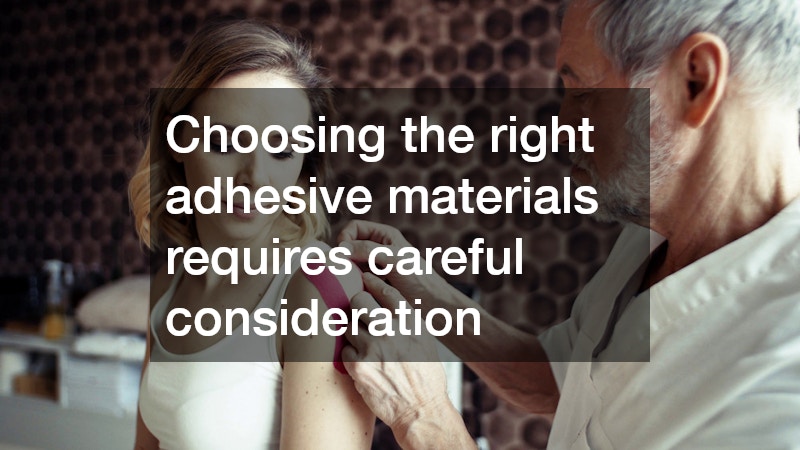
Choosing the right adhesive materials requires careful consideration of both patient needs and clinical requirements. Factors such as skin sensitivity, duration of use, and type of medical application all influence product selection. Healthcare providers are encouraged to assess each situation individually to ensure optimal comfort and effectiveness. Proper application techniques also play a significant role in performance, as incorrect placement can reduce adhesion or cause unnecessary skin stress. Cleaning and preparing the skin before application helps improve bonding and reduces the likelihood of complications. Additionally, gradual removal techniques are recommended to minimize discomfort and protect the skin barrier. By following these best practices, healthcare professionals can ensure that materials perform effectively while maintaining patient comfort throughout the treatment process.
The use of adhesive materials in healthcare is a fundamental part of ensuring safe, effective, and comfortable patient care. These products support a wide range of clinical applications, from securing dressings to stabilizing essential monitoring devices. Their importance lies not only in their functional role but also in their contribution to patient comfort and treatment success. When properly selected and applied, they help reduce complications and improve overall healthcare outcomes. The category of adhesive tape medical use highlights the importance of specialized materials designed specifically for clinical environments, where safety and reliability are critical. As healthcare continues to advance, the demand for high-quality adhesive solutions will remain strong, supporting both medical professionals and patients in achieving better care experiences and more efficient treatment processes.