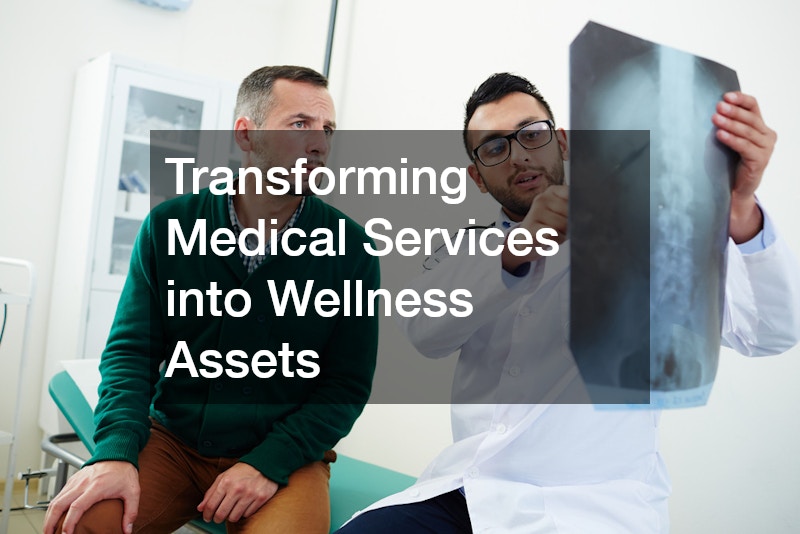
For decades, the traditional relationship between individuals and the medical community has been purely reactive. We treat the body like an old car: we only take it to the shop when it breaks down on the side of the road. However, a profound shift is occurring in modern healthcare. The focus is moving away from “sick care”—the management of disease—toward a dedicated pursuit of “well-care.”
True wellness is not merely the absence of infirmity; it is the optimization of your physical, mental, and sensory systems so that you can perform at your peak for as long as possible. To achieve this, we must view medical services as a suite of preventative tools. By integrating various disciplines—from structural alignment to metabolic science—you create a safety net that catches potential issues before they become life-altering diagnoses. This guide explores how to leverage professional medical expertise to curate a life of vitality and longevity.
Mastering Metabolism and Body Composition

The foundation of long-term health often rests on metabolic stability. How our bodies process energy, store fat, and maintain lean muscle mass dictates everything from our daily energy levels to our risk of developing Type 2 diabetes or cardiovascular disease. While “eat less, move more” is the standard advice, it often fails to account for hormonal imbalances, genetic predispositions, and the complexities of human biology.
This is where clinical intervention becomes a game-changer. For those who have struggled with weight fluctuations despite effort, medical weight loss programs offer a science-based alternative to fad diets. These initiatives are supervised by clinicians who use blood panels to check thyroid function, insulin resistance, and nutrient deficiencies. By addressing the internal chemistry first, weight loss becomes a byproduct of improved health rather than a grueling battle of willpower.
Strategies for Metabolic Success
- Prioritize Protein Synthesis: Aim for high-quality protein at every meal to protect muscle tissue, especially if you are in a caloric deficit.
- Monitor Visceral Fat: Unlike subcutaneous fat, visceral fat wraps around organs and is metabolically active in a negative way. Regular scans can help you track this specific metric.
- Hydration as a Tool: Clinical studies show that proper hydration is essential for lipolysis (the breakdown of fats).
Once the internal metabolism is stabilized, many individuals find that certain pockets of adipose tissue remain resistant to traditional methods. In these instances, medical technology can provide a finishing touch. Modern body sculpting techniques, such as cryolipolysis or electromagnetic muscle stimulation, are not just about vanity; they are about aligning one’s physical appearance with their hard-earned fitness levels. These non-invasive procedures help contour the body without the risks associated with surgery, allowing patients to maintain their active lifestyles without significant downtime.
Maintaining Structural Integrity and Fluid Motion
A body in motion stays in motion, but that motion must be efficient and pain-free to be sustainable. As we age, our skeletal alignment and muscular balance become the primary predictors of our independence. Chronic pain is one of the leading causes of a sedentary lifestyle, which in turn leads to a cascade of other health issues.
To combat this, we must look at the body as an interconnected machine. The spine is the highway of the nervous system, and any interference can lead to localized pain or systemic dysfunction. Many people find relief and improved mobility through the expertise of chiropractors. These professionals focus on spinal health and joint manipulation to ensure that the nervous system can communicate effectively with the rest of the body. Regular adjustments can prevent the “compressed” feeling that often comes from years of desk work or heavy lifting.
Building a Resilient Frame
- The 90/90 Stretch: Use this to open up hip flexors that become tight from prolonged sitting.
- Core Stability over Power: Focus on the transverse abdominis to protect the lower back during daily tasks.
- Footwear Matters: Your kinetic chain starts at your feet; ensure your shoes provide adequate arch support.
However, alignment is only half the battle; the soft tissues must be strong enough to hold that alignment in place. This is the domain of physical therapy, a service that is often underutilized until after a major surgery. In reality, “pre-hab” is just as important as rehab. A therapist can identify gait abnormalities or muscle imbalances that might lead to a torn ligament or a blown disc years down the line. By prescribing specific corrective exercises, they help you build a “biological armor” that keeps your joints functional and your movements fluid.
The Intersection of Aesthetic Health and Dental Hygiene

There is a powerful psychological link between how we perceive ourselves in the mirror and our overall mental well-being. Furthermore, the health of our external “shell”—our skin and our mouth—is often a direct reflection of our internal inflammatory state. Neglecting these areas can lead to systemic issues that go far beyond aesthetics.
The modern medical spa has evolved into a clinical environment where advanced dermatology meets holistic wellness. These facilities offer more than just facials; they provide medical-grade chemical peels, laser therapies, and micronutrient injections that support skin health at the cellular level. Because the skin is the body’s largest organ and its first line of defense against environmental toxins, keeping it healthy is a legitimate medical priority.
Tips for Lasting Radiance and Health
- Sun Protection is Non-Negotiable: 90% of visible skin aging is caused by UV rays. Wear SPF 30 or higher every day, even when it’s cloudy.
- The Oral-Systemic Connection: Research shows a clear link between periodontal disease and heart disease. Flossing is a cardiovascular health habit.
- Antioxidant Support: Use topical Vitamin C and E to neutralize free radicals from pollution.
While skin health covers the exterior, our oral health is the gateway to the interior. Many people view a chipped tooth or a missing molar as a cosmetic issue, but dental repair is essential for maintaining proper nutrition and preventing infection. Gaps in the teeth can lead to bone loss in the jaw and shifting of the remaining teeth, which can cause chronic headaches and TMJ issues. High-quality restorative dentistry ensures that you can chew a varied, nutrient-dense diet and keeps the bacterial load in your mouth under control, protecting your heart and lungs from migrating pathogens.
Root-Cause Discovery through Systems Medicine
When we feel “off”—fatigued, foggy, or mildly depressed—traditional medicine sometimes struggles to find an answer if our basic labs fall within the standard “normal” range. This is because standard medicine is often looking for the presence of a disease, whereas wellness-oriented medicine looks for the absence of optimal function.
To bridge this gap, many patients are turning to functional medicine. This discipline treats the body as an integrated system rather than a collection of independent organs. It seeks to identify the root cause of symptoms, such as gut dysbiosis or adrenal fatigue, rather than simply suppressing the symptoms with medication. By looking at the “why” behind a health concern, practitioners can suggest lifestyle and supplemental interventions that create lasting change.
Navigating Complex Wellness
- Keep a Symptom Journal: Track your sleep, mood, and digestion for two weeks to provide your provider with actionable data.
- Prioritize Sleep Hygiene: No amount of medical intervention can replace the cellular repair that happens during deep sleep.
- Mind-Body Connection: Stress is a physical toxin; incorporate breathwork or meditation to lower cortisol levels.
Complementing this is the field of integrative medicine, which harmonizes the best of conventional Western protocols with evidence-based complementary therapies. For example, an integrative approach to hypertension might include standard medication alongside acupuncture and specific magnesium supplementation. This “best of both worlds” philosophy ensures that no stone is left unturned in your pursuit of health. It allows for a highly personalized protocol that respects the patient’s preferences while adhering to clinical rigors.
Routine Maintenance and the Power of Early Detection
The most sophisticated wellness plan in the world is useless if it isn’t anchored by regular, boring, and essential routine check-ups. These are the “baseline” moments where we gather the data necessary to make informed decisions about our future.
Every individual should have a consistent relationship with a doctor office that they trust. This primary care connection is the hub of your medical wheel. Having a physician who knows your family history, your lifestyle, and your health trends over several years is invaluable. They are the ones who will notice a slight upward trend in your blood pressure or a subtle change in your blood glucose before it reaches a critical threshold. These annual physicals are the perfect time to discuss vaccinations, screenings like colonoscopies or mammograms, and mental health screenings.
Essential Annual Screenings
- Full Lipid Panel: Go beyond total cholesterol to look at particle size and inflammation markers like ApoB.
- Skin Cancer Check: A professional head-to-toe check can catch melanoma when it is nearly 100% curable.
- Mental Health Audit: Discuss anxiety, burnout, and cognitive function openly with your provider.
We also must not overlook the senses that allow us to interact with the world. Our eyes are often described as the “windows to the soul,” but in medicine, they are the windows to the vascular system. Comprehensive vision care is about more than just an updated prescription for glasses. An optometrist or ophthalmologist can detect signs of high blood pressure, diabetes, and even certain neurological conditions just by looking at the blood vessels and nerves in the back of the eye. Protecting your sight through regular exams and blue-light protection ensures that you remain sharp and engaged with your surroundings as you age.
Integrating Services into a Cohesive Lifestyle

Understanding these services is the first step, but the real magic happens when they are integrated. A truly well person might see their primary physician for an annual physical, visit a physical therapist to work on a lingering knee issue, and consult a functional practitioner to optimize their gut health—all in the same year.
This multi-disciplinary approach prevents “siloed” health, where one part of the body is treated at the expense of another. For example, if you are undergoing a weight loss program, your physical therapist can ensure your exercise routine is safe for your joints, while your dentist ensures your oral health is not being compromised by a change in diet.
Actionable Steps for the Next 90 Days
- Month 1: The Baseline.
Schedule your annual physical and a comprehensive eye exam. Get your blood work done and save the results in a digital folder. - Month 2: The Structure.
Visit a specialist for any nagging physical discomfort—whether that’s a chiropractor for your back or a therapist for a sports injury. - Month 3: The Optimization.
Look into specialized services like metabolic coaching or aesthetic treatments that boost your confidence and internal vitality.
The Role of Technology in Modern Wellness
We live in an era where we can track our health with unprecedented precision. From smartwatches that monitor heart rate variability to apps that track our macronutrient intake, technology allows us to bring data to our medical appointments.
When you visit a professional, bring this data with you. If your wearable shows that your deep sleep has dropped significantly, share that with your functional medicine practitioner. If your heart rate spikes during certain activities, show the graph to your doctor. This turns a standard consultation into a data-driven strategy session. It empowers the practitioner to provide more accurate advice and empowers you to see the immediate impact of your lifestyle changes.
Cultivating the Wellness Mindset

Ultimately, the most important medical “service” is the one you provide for yourself: the daily commitment to your own health. The professionals—the doctors, the therapists, the clinicians—are your consultants, but you are the CEO of your own body.
A wellness mindset involves:
- Curiosity: Asking “why” when you feel a symptom rather than just looking for a quick fix.
- Consistency: Recognizing that a single healthy meal or one workout doesn’t create health, just as one bad day doesn’t destroy it.
- Proactivity: Booking your appointments months in advance so they become non-negotiable parts of your calendar.
As you navigate the vast array of medical services available, remember that the goal is to create a life that feels good on the inside, not just one that looks good on the outside. By leveraging the expertise of diverse medical fields, you can move through the world with more energy, less pain, and a clearer vision of your future.
Building a comprehensive wellness strategy is a marathon, not a sprint. It requires a shift in perspective, viewing every medical appointment as an opportunity to learn more about your unique biology. Whether you are refining your metabolic health, strengthening your physical frame, or ensuring your sensory systems are functioning at their peak, you are taking active steps to safeguard your most precious asset.
The path to longevity is paved with informed decisions and proactive care. By partnering with the right professionals and utilizing the full spectrum of modern medical services, you don’t just stay healthy—you thrive. Start today by choosing one area of your health to optimize, and watch as the ripple effects transform your entire quality of life. Your future self will thank you for the investment you make today.